



Vehicular

12

Vehicular Satellite Internet: High-Speed Data on the Road

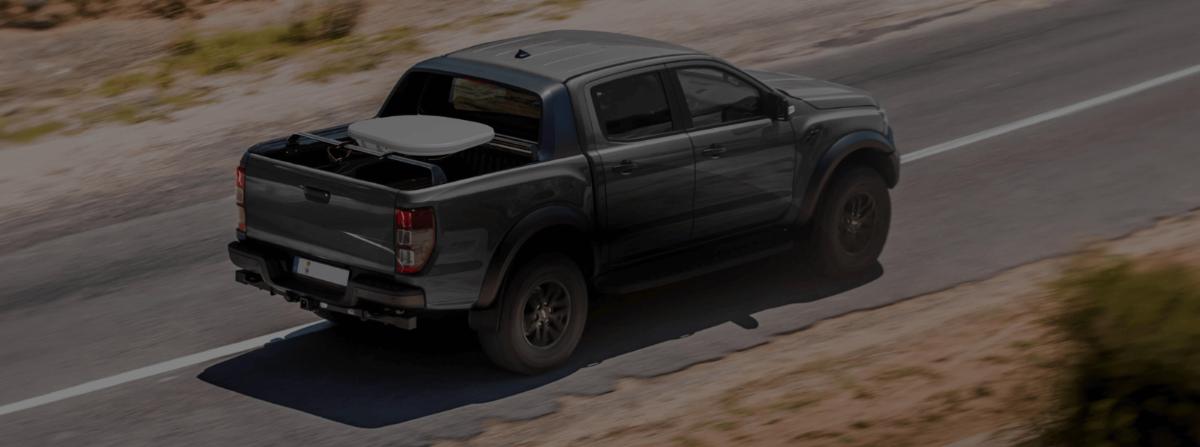
Transform your vehicle into a mobile command center or a rolling office with our vehicular satellite internet solutions. Gone are the days when losing cell service meant losing contact. Our selection of in-motion terminals from Starlink, Thales, Kymeta, and Cobham ensures that you stay connected to high-speed internet whether you are cruising down the highway or navigating off-road terrain. Designed for emergency responders, commercial trucking fleets, and overland adventurers, these ruggedized systems provide consistent voice and data connectivity, enabling real-time navigation, telemetry, and communication regardless of your location on the map.Your office doesn't have to stop just because you're on the road. Vehicular satellite internet solutions bring high-speed broadband to your SUV, RV, or emergency response vehicle. Designed to maintain a lock on satellites even while traveling at highway speeds, these mobile satellite internet systems ensure that your team remains connected to cloud services, VoIP, and video conferencing from anywhere on the map. Turn your vehicle into a mobile command center with the latest in auto-acquire satellite technology.

Loading...

Buyer’s Guide: Integrating Satellite Internet into Your Vehicle

Equipping a vehicle for satellite connectivity requires specialized hardware that handles vibration, speed, and power management. To choose the best system for your fleet or personal rig, consider these key operational factors:

Comms-on-the-Move (COTM) vs. Stationary Use

The most important distinction in vehicular satellite internet is whether you need it while driving. In-motion systems, such as the Starlink Flat High Performance kit or the Thales MissionLINK, utilize advanced phased-array or omni-directional antennas to maintain a lock on the satellite while the vehicle turns and accelerates. If you only need connectivity when parked (Comms-on-the-Pause), standard portable terminals may suffice, but for true mobility and safety, a dedicated COTM system is essential.

Aerodynamics and Mounting Profiles

Vehicle-mounted antennas must withstand wind resistance and clearance issues. We offer low-profile, flat-panel terminals—like those from Kymeta and Starlink—that mount flush to a roof rack or vehicle deck. These aerodynamic designs minimize drag and avoid snagging on tree branches or low clearances, making them ideal for SUVs, ambulances, and tactical vehicles. Their rugged construction is also vibration-tested to endure thousands of miles of washboard roads without hardware failure.

Power Integration and Fleet Management

Vehicular terminals connect directly to your vehicle’s 12V or 24V DC power system, ensuring they run efficiently without draining your starter battery. For commercial applications, these systems do more than just provide Wi-Fi; they enable real-time fleet telemetry, driver tracking, and route optimization software to run seamlessly in dead zones. This level of connectivity allows logistics managers to monitor assets continuously, reducing downtime and improving safety standards across the entire operation.

In the modern world, "out of range" is no longer an option for professionals on the move. Our vehicle satellite systems are engineered for durability and ease of use, featuring low-profile antennas that don't compromise your vehicle's aerodynamics. With Satmodo, you get the speed of land-based broadband with the freedom of the open road.

FAQs:

  • Can I use vehicular satellite internet while driving? Yes, we offer "in-motion" terminals specifically designed to track satellites while the vehicle is moving.
  • Is it difficult to install a vehicle satellite antenna? Most systems feature magnetic or roof-rack mounts and simplified cabling, though professional installation is recommended for permanent setups.
Loading...