
Buy
517 results
Buy
517 results
Buy satellite phones, internet and off-grid gear
Most people arrive here knowing they need coverage somewhere a phone will not reach, and not much else. Tell us where you are going and what you are doing, and we will narrow 500+ products down to the handful that actually fit.
Talk to a real specialist
Seven days a week, before and after you buy
Activation handled for you
Your device arrives ready to use
Buy or rent
For one trip or for the next decade
Ships fast
Expedited options on eligible orders
Start anywhere
Invest in connection that never fails
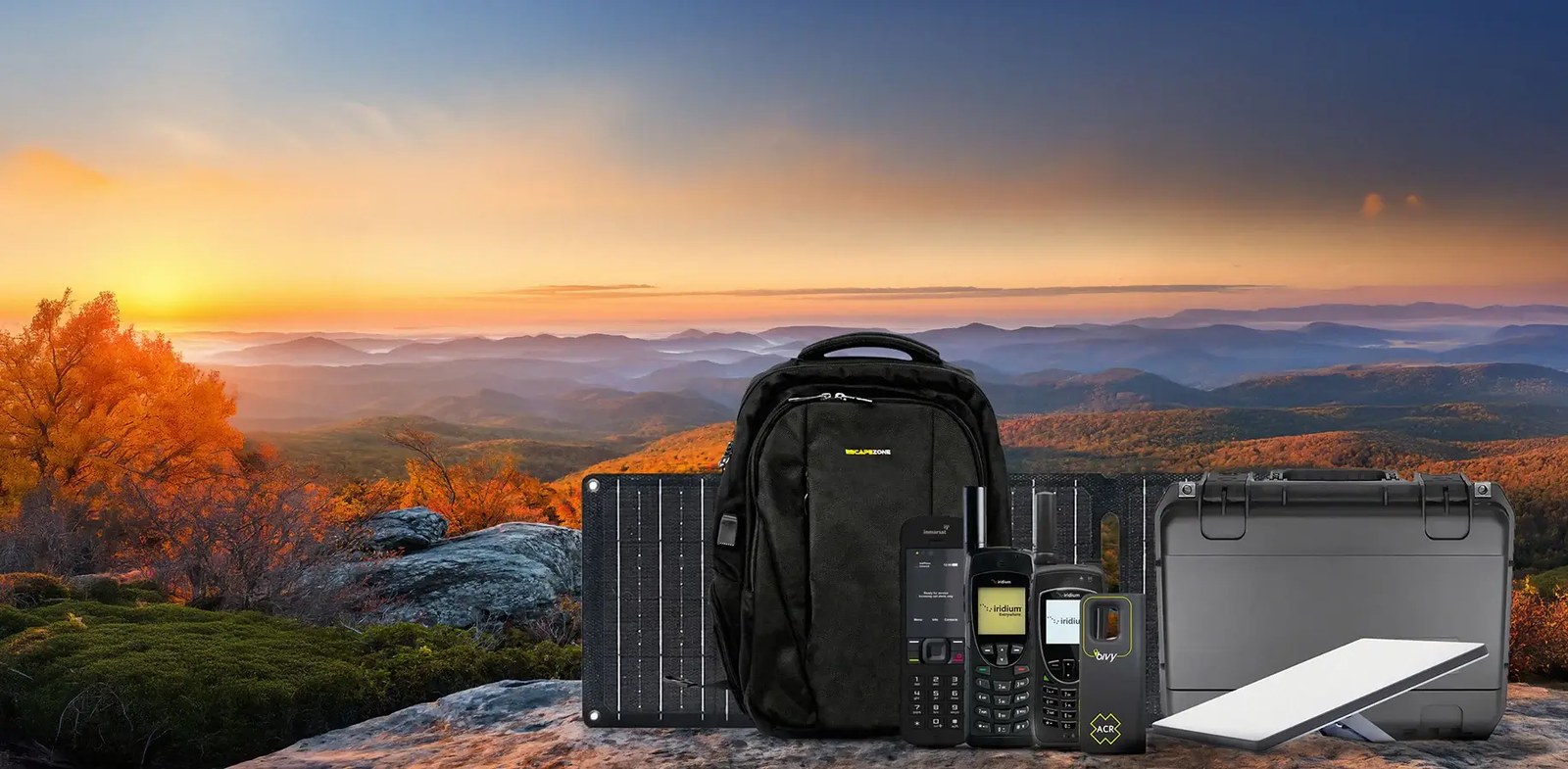
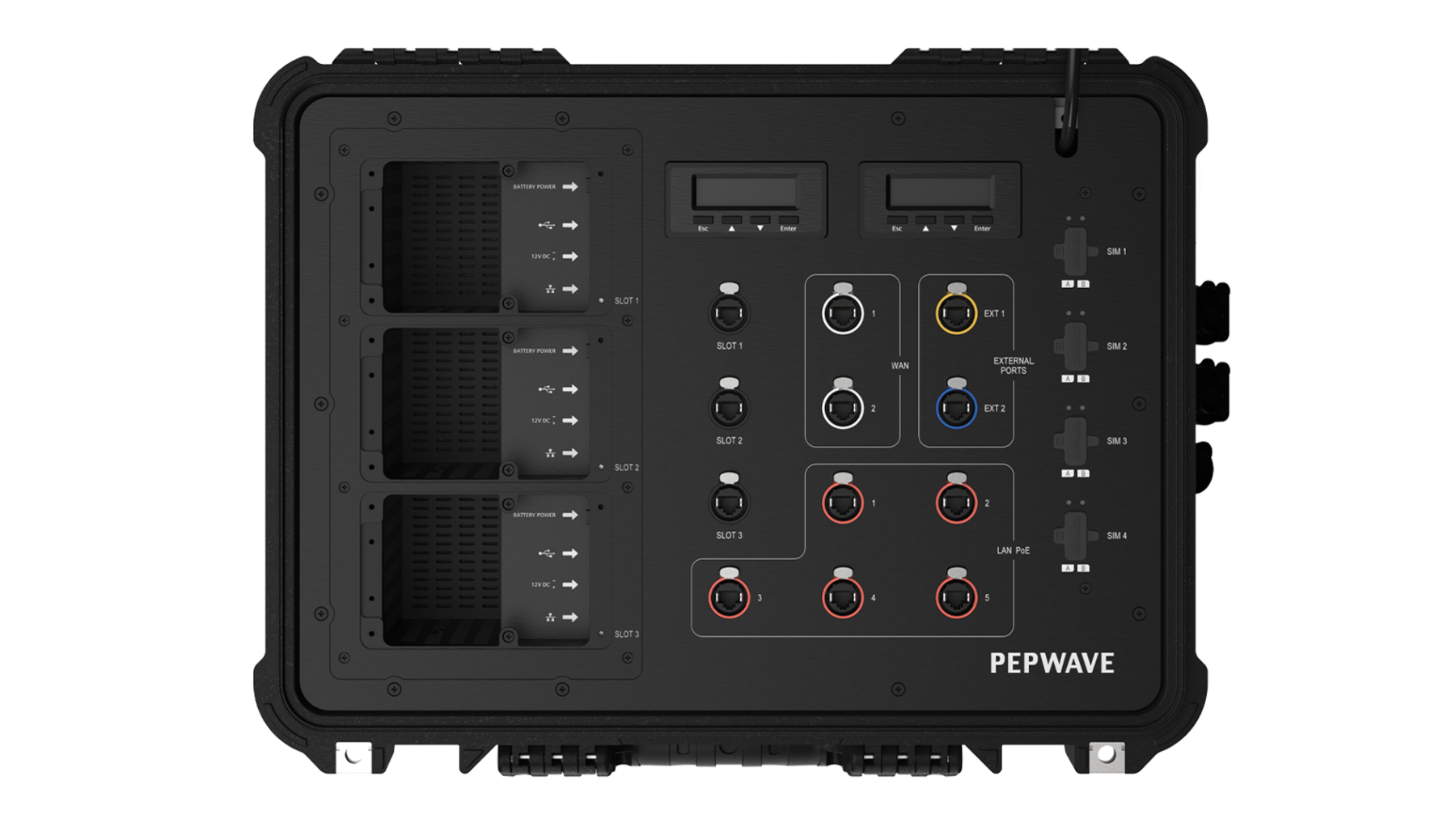
Eight categories, one network of coverage. If you already know the shape of what you need, go straight to it.





Step 1, the only question that matters
What do you plan to use it for?
Network, battery life and durability only matter relative to the job. Pick the closest situation and we will show what people in it actually buy.
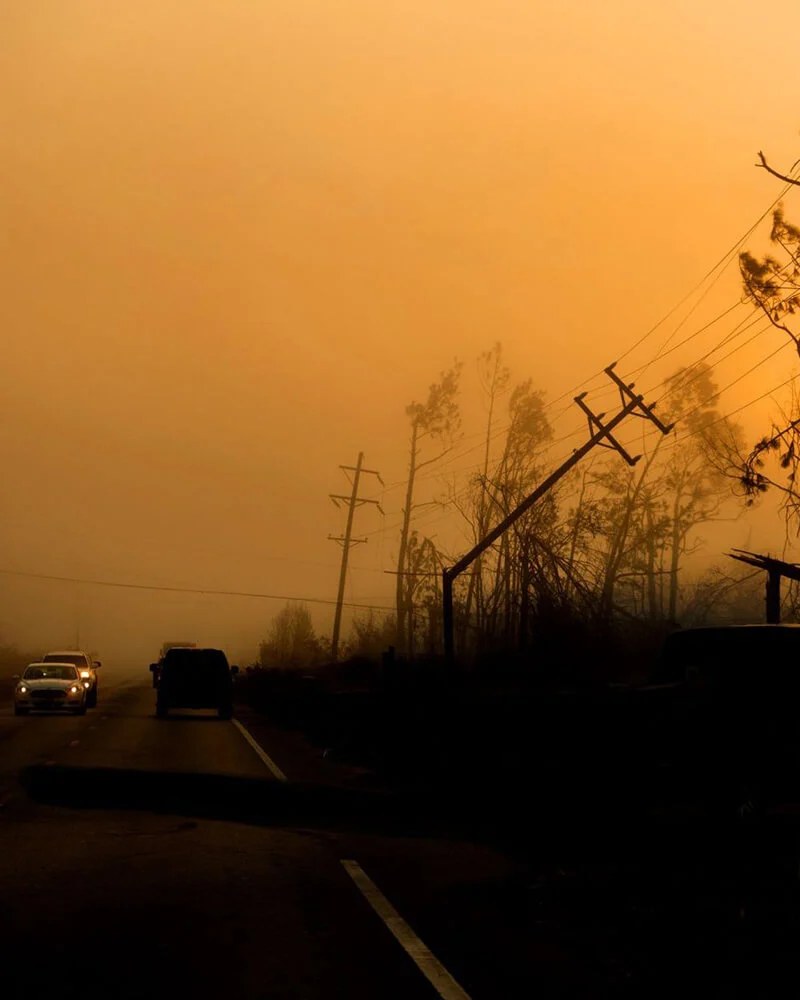
Emergency preparedness
Hurricane season, a wildfire evacuation, a multi-day outage. The gear sits unused for years, so it has to work cold, on the first try, on a battery that survived a drawer.
Usually decided byStandby battery life and simplicity

Remote work and off-grid offices
Video calls, file transfers and a VPN that has to stay up all day. This is the one case where throughput beats coverage, so the terminal matters more than the handset.
Usually decided bySustained upload speed and power draw

Travel and exploration
Weight and durability decide this one. You want the smallest thing that still reaches a satellite from a canyon floor, plus a way for people at home to see that you are fine.
Usually decided byWeight, ruggedness and true global reach

Maritime and offshore
Offshore adds two constraints nothing else has: salt water, and carriage requirements. Start from what your vessel is required to carry, then add a connection worth having.
Usually decided byVessel class and carriage requirements
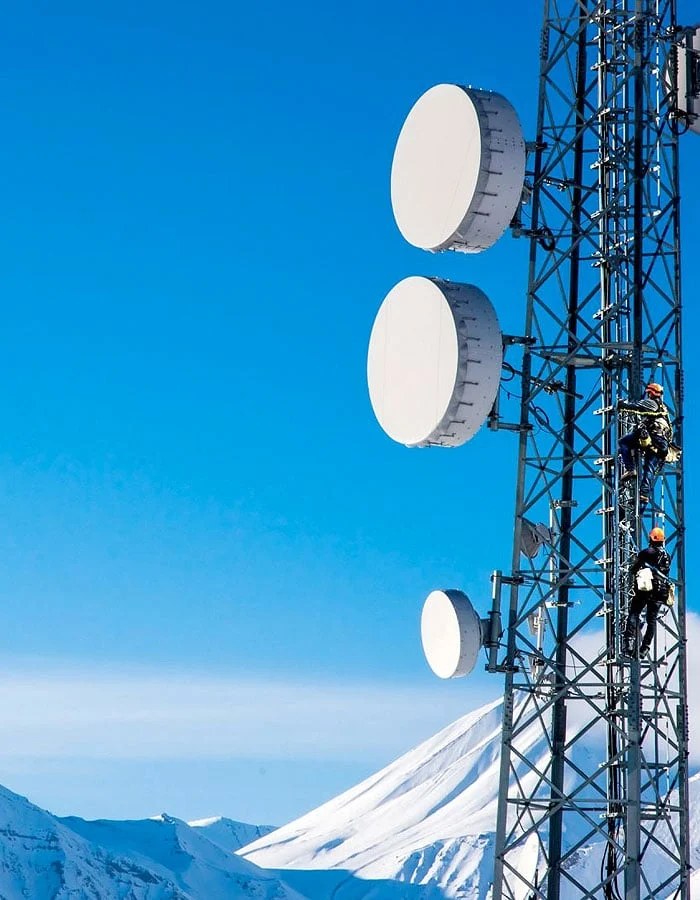
Industrial and field services
Push-to-talk changes the shape of the problem: you are buying a radio network, not individual phones, and it has to work the same on day 400 as on day one.
Usually decided byTalkgroups and fleet-wide manageability

Fleet and mobile operations
Tracking is a data problem more than a hardware one. The device just needs to report reliably, cheaply, and keep doing it without anyone touching it.
Usually decided byReporting interval and cost per asset
Step 2, narrow it down
Compare the four phones people choose between
The differences that change the decision are coverage, battery and how much abuse the handset takes. Everything else is detail.
| Iridium Extreme 9575Iridium network | Iridium 9555Iridium network | Inmarsat IsatPhone 2Inmarsat network | Thuraya X5-TouchThuraya network | |
|---|---|---|---|---|
| Coverage | Truly global, poles included | Truly global, poles included | Near-global, does not reach either pole | Europe, Africa, the Middle East and Asia |
| Talk / standby | 5 h / 24 h | 4 h / 30 h | 8 h / 160 h | 11 h / 100 h |
| Emergency SOS | Dedicated SOS button | Not fitted | SOS supported | SOS supported |
| Water resistance | Jet water (IP65) | No IP rating published | Jet water (IP65) | Dust-tight, brief immersion (IP67) |
| Runs apps | No, voice and SMS | No, voice and SMS | No, voice and SMS | Yes, Android handset |
| Built for | Harsh, unpredictable conditions | Straightforward global voice and SMS | Long deployments under a clear sky | Regional travel with smartphone habits |
Specifications are taken from each manufacturer’s own published datasheet for that exact model.
Need data, not a phone call?
Compare satellite data terminals
One terminal per network, because the network decides whether it works where you are going. Speed is what everyone asks about and what matters least if there is no coverage.
| Starlink MiniStarlink network | Thales VesseLINKIridium Certus | Cobham EXPLORER 510Inmarsat BGAN | Thuraya IP PlusThuraya network | |
|---|---|---|---|---|
| Coverage | Broad and still growing, land and sea | Truly global, poles included | Near-global, does not reach either pole | Europe, Africa, the Middle East and Asia |
| Service class | Broadband, hundreds of Mbps, best-effort | Iridium Certus 700 | BGAN standard IP, up to 464 kbps | Thuraya IP standard, 444 kbps |
| Form factor | Fits in a daypack, antenna and router in one | Installed on the vessel, above and below deck | Briefcase-sized, folds flat, 1.4 kg | Laptop-sized case, 1.4 kg |
| Getting online | Unfold, point at open sky, minutes | Professional installation, then always on | Manual pointing, a few minutes | Manual pointing, a few minutes |
| Voice | Data only, no native calling | Up to three dedicated voice lines | Voice over the terminal | Data terminal |
These are not the same class of product. Starlink is far faster and priced accordingly, but it is best-effort capacity. The three L-band terminals are narrowband and cost more per megabyte, and what you buy from them is a link that is contractually backed and works where Starlink has not reached, including the poles and mid-ocean. Speed alone is the wrong way to choose between these four.
Throughput figures are the published network service class, not a guaranteed rate.
Step 3, pick a network
Coverage is the decision. Everything else follows it.
A cheaper plan on the wrong network is the most expensive mistake in satellite. Four carriers, four different shapes of coverage, and the honest trade-off for each. The diagrams are schematic: they show the shape of each footprint, not a surveyed map.
Iridium66 cross-linked satellites in low Earth orbit, circling pole to pole
Complete global coverage, including both poles and mid-ocean. Because the satellites move overhead rather than sitting over the equator, latitude never works against you and you are never pointing at a dish low on the horizon.
Airtime. Airtime priced at a premium, sold by the minute or as a monthly plan
Best for. Expeditions, offshore work and anywhere with no second chance. It is also the only network here that keeps working at high latitude and in deep terrain, because there is usually another satellite along within minutes.
Not the network to pick if what you actually need is bandwidth.
InmarsatA small number of large geostationary satellites parked over the equator
Near-global, roughly 78 degrees north to 78 degrees south. The poles are outside the footprint entirely, and the further from the equator you go the lower the satellite sits, so hills and buildings start to matter.
Airtime. More affordable airtime than Iridium, with long prepaid validity
Best for. Preparedness kits and travel away from the poles. The IsatPhone 2 in particular has standby life measured in days, which is exactly what a device that lives in a go-bag needs.
Not for polar work, and not for anything needing a fixed high-elevation look angle.
StarlinkA large and growing low-Earth-orbit constellation, sold to us on business plans
Broad and still expanding across land and sea, with the service area published by region. Because the satellites are low, latency feels close to terrestrial broadband rather than like traditional satellite.
Airtime. A monthly business service rather than per-minute airtime
Best for. Business sites, work vehicles and vessels that need real bandwidth: video calls, cloud sync, a crew that expects the internet to behave normally. Satmodo sells Starlink on business service plans only.
Capacity is best-effort and shared, so it is not a contractually backed link.
ThurayaTwo geostationary satellites covering one very large regional footprint
Europe, Africa, the Middle East and Asia. Australia and the Pacific are no longer served, so check the current footprint against your route before you buy anything on this network.
Airtime. Low-cost airtime inside the footprint
Best for. Regional work within the current coverage, and the only network here with a handset that is also a full Android phone, which suits people who want their normal apps in the field.
Useless outside the footprint, and the footprint has shrunk.
Still not obvious which one fits? That is the call we take most often. Ring 1 (619) 238-0205 and describe the route.
Before you commit
Learn how satellite tech works
Five things worth understanding before you spend anything. None of it is complicated, and all of it changes which device is right for you.
How a satellite call actually reaches the network
Your handset talks straight to a satellite overhead, which relays the call to a ground station and into the normal phone network. There is no cell tower anywhere in the chain, which is exactly why it works where cellular does not.
Why a clear view of the sky is non-negotiable
The signal will not pass through a roof, a dense tree canopy or a canyon wall. Step outside, stand clear of buildings, and give the antenna open sky. Indoors or in a vehicle you need an external antenna or a dock.
Prepaid minutes versus a monthly plan
Monthly plans cost less per minute and suit regular use. Prepaid suits a device that sits ready for an emergency, because the credit sits there until you need it. The wrong choice wastes money quietly for years.
What the coverage maps do not tell you
A map shows where a satellite can be seen, not how well it will work in a steep valley, under tree cover, or at the edge of a footprint. Latitude matters too: the geostationary networks sit over the equator, so the further north or south you go the lower they sit.
Buying outright versus renting for one trip
For a single expedition renting is almost always cheaper. Buying makes sense when the device is part of a preparedness plan, when several trips are coming, or when the device needs to be familiar before it matters.
The Satmodo buyer’s guideCoverage, plans, real battery life and what nobody tells you before a first trip.
Ready to go
What people buy most
A short list, chosen by us rather than sorted by an algorithm. The full catalog is further down this page.
Satellite phones and radios
The handsets people actually choose between.
Satellite internet
One terminal per network, from packable to vessel-installed.
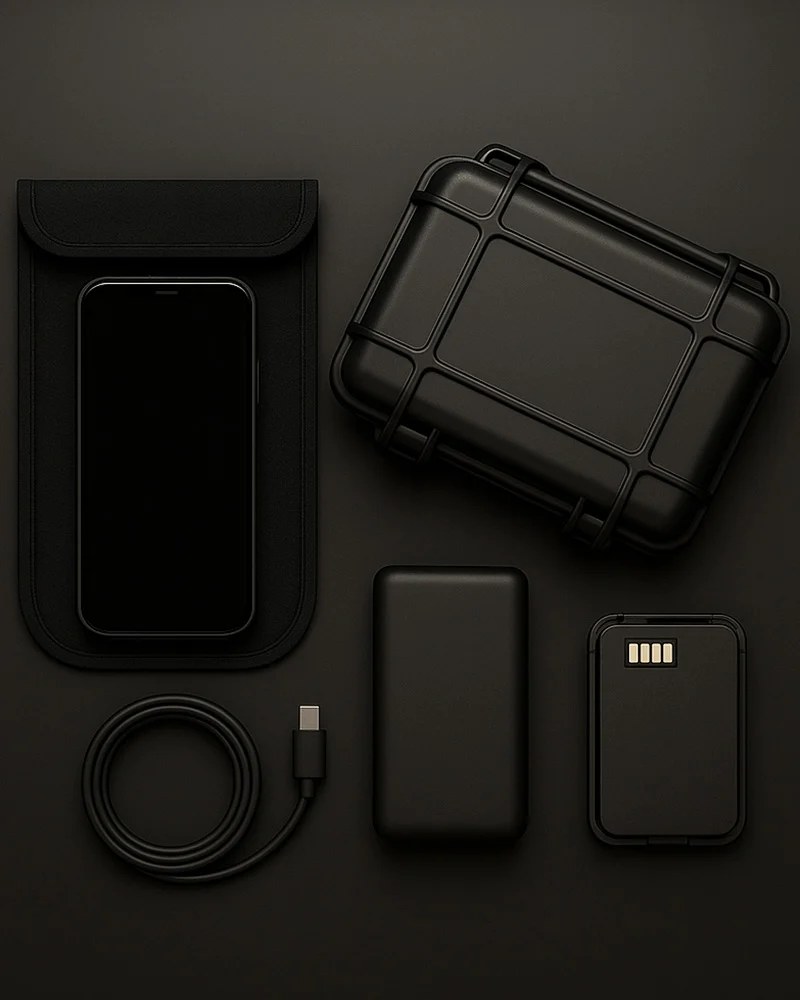
Faraday and signal shielding
Block tracking, hacking and EMP for a device or a bag full of them.
Off-grid power
Because a terminal with a flat battery is a paperweight.
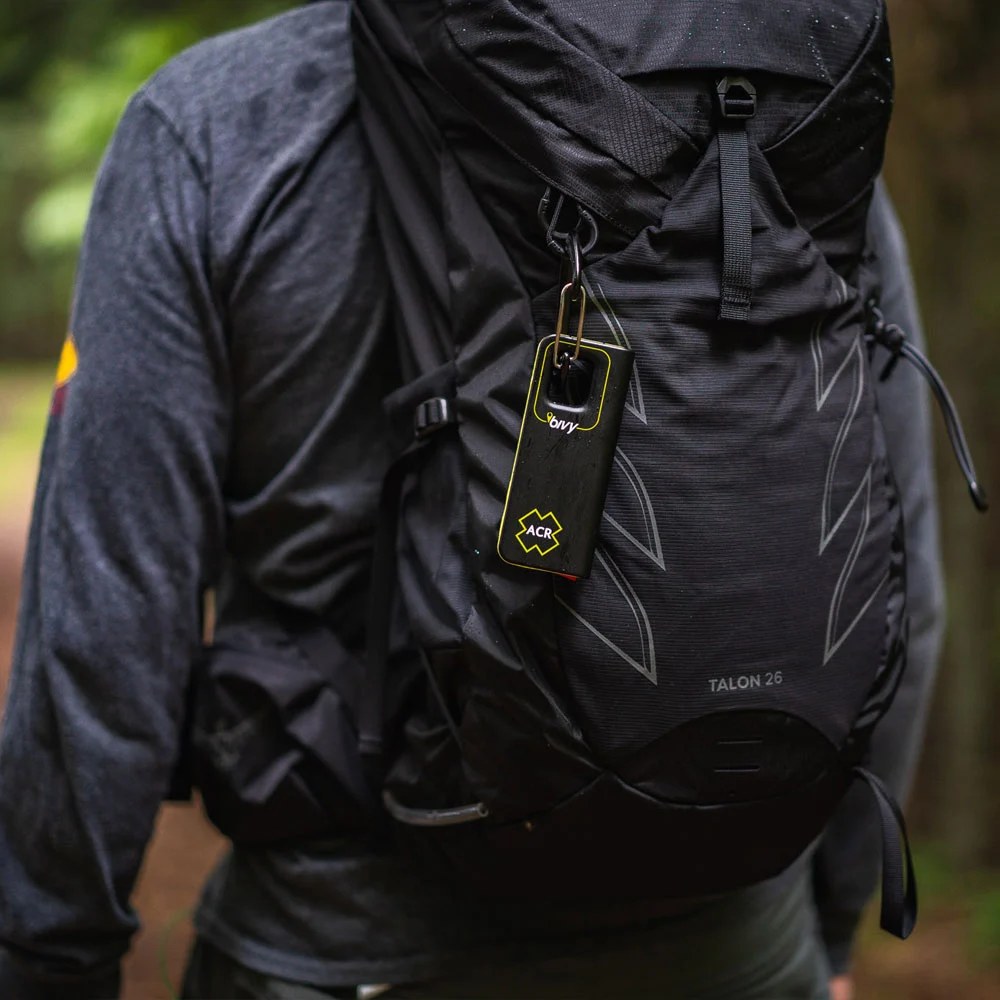
Trackers and beacons
Let people know where you are, or call for help when it matters.
Skip the research
A ready-to-go satellite kit
Handset, airtime and the accessories that matter, assembled so nothing is missing when you are already out of range. Every Standard Package ships activated, with the plan live before it leaves us.
The handsetChosen for the network that covers where you are going, not the one with the best advert.
Airtime, already liveActivated before despatch, so the first time you switch it on is not the first time it is tested.
The bits people forgetA case that survives the trip and a way to charge when there is no wall socket.
Why buy from Satmodo
4.8 out of 5 from 451 reviewsIndependently collected and verified by Shopper Approved
4.9 for delivery timeThe score customers give us most consistently
500+ products in stockPhones, terminals, trackers, power and accessories
Plans that work anywhereLocal, regional and global airtime, sale or rental
Seven-day expert supportReal satellite specialists, not a script
What customers say about our service
Collected by Shopper Approved from verified buyers, good and bad.
4.8 out of 5451 verified reviews
★ 5.0Verified buyer
“Everything worked great on my trip to Canada”
Kris · Maryland · 29 Sep 2025★ 5.0Verified buyer
“Outstanding, simple order, receive, send back”
Lear R. · Texas · 26 Sep 2025★ 4.0Verified buyer
“So far a very enjoyable and easy to use website. The staffer that helped me was very professional and courteous. Keep up the awesome work!”
Lawrence S. · Nevada · 13 Jul 2025Frequently asked questions
The questions that come up on almost every call, answered before you have to ask.
Where can I buy a satellite phone?
Right here. Satmodo carries handsets across the Iridium, Inmarsat and Thuraya networks, plus the airtime to run them. You can buy outright or rent for a single trip, and every device ships activated and ready to use. If you are not sure which network suits where you are going, call us on 1 (619) 238-0205 and we will work it out with you.
Which satellite network will work where I am going?
Iridium is the only one with true pole-to-pole coverage, which is why it is the default for expeditions and offshore work. Inmarsat covers nearly everywhere else at lower airtime cost, but has no service at the poles. Thuraya covers Europe, Africa, the Middle East and Asia. Starlink is broad and growing, and is the only one of the four that delivers real broadband rather than voice and narrowband data.
Do I need a service plan, and can I change it later?
Yes, every device needs airtime to connect, and yes, plans can be changed. Monthly plans suit regular use; prepaid suits a device that sits ready for emergencies. We activate the plan before the device ships so it works out of the box.
How fast is satellite internet, and can I stream on it?
It depends entirely on the terminal. Starlink delivers broadband speeds and handles video calls and streaming comfortably. The L-band terminals, Iridium Certus, Inmarsat BGAN and Thuraya IP, run in the hundreds of kilobits per second, which is enough for email, messaging, file transfer and voice, but not for streaming.
Will a satellite phone work indoors or inside a vehicle?
Not reliably. Satellite phones need a clear view of the sky, so they will not work indoors, in a basement, or under heavy tree cover. For use inside a vehicle or building you need an external antenna or a dock, which we can supply for most handsets.
What happens if I go over my included minutes or data?
Your service keeps working. Usage past your included allowance is billed at the standard overage rate for your plan rather than being cut off. If you regularly go over, it is usually cheaper to move to a larger plan, and we will tell you when that is the case.
Still unsure? Call1 (619) 238-0205
Loading...